Turning PDFs and PowerPoint decks into videos used to be a slow, manual grind. Screen recordings. Voiceovers. Editing timelines. Revisions that never end.
Now, AI studios have changed the game.
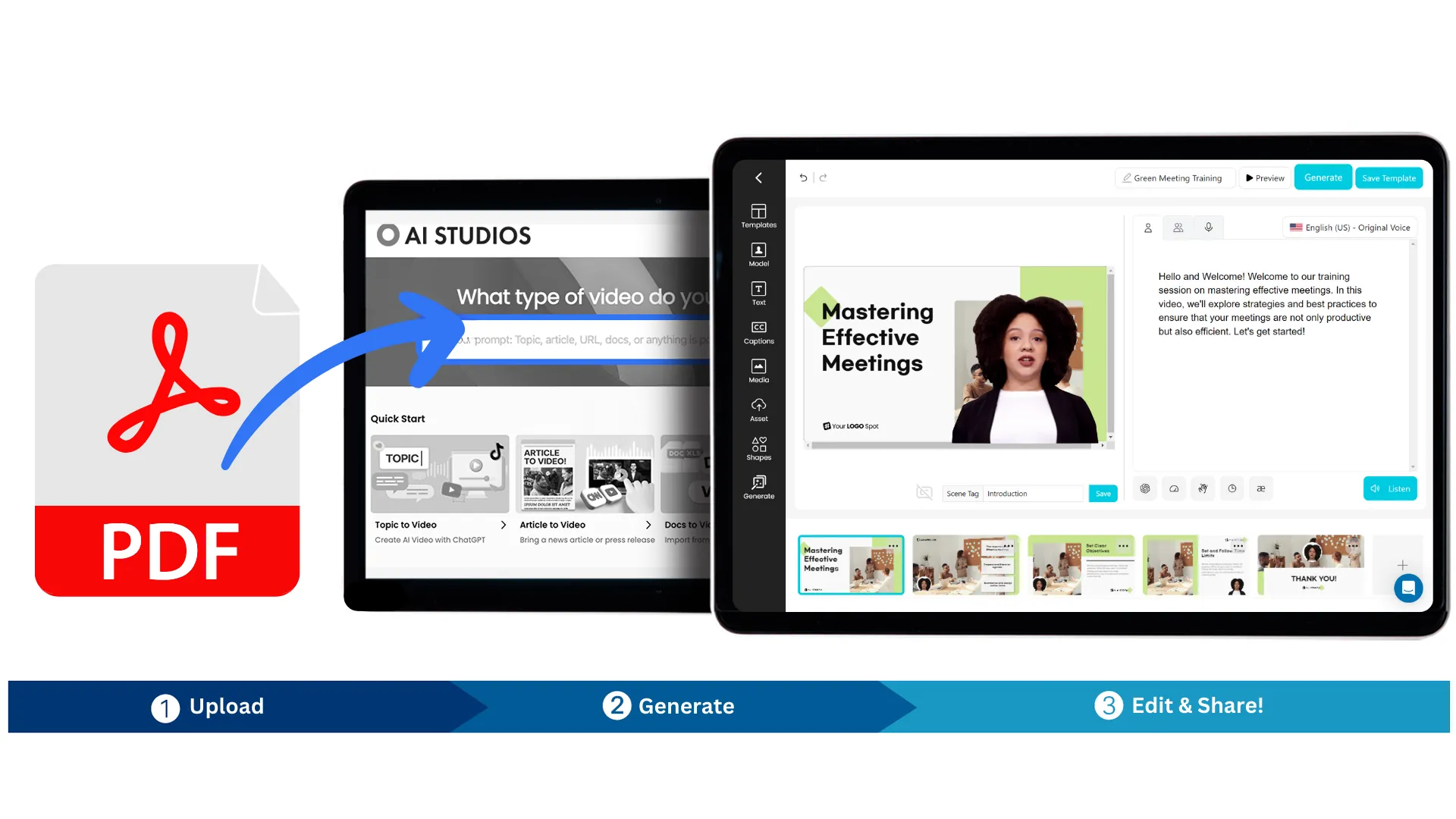
In this guide, you’ll learn exactly how to convert PDFs and PPTs into polished videos automatically, using AI avatars, scripts, and smart scene generation. No video experience required.
This is a course-style, evergreen walkthrough designed to meet you where you are, whether you’re just researching options or ready to publish your first AI-powered video today.
What Are AI Studios (and Why They Matter Now)?
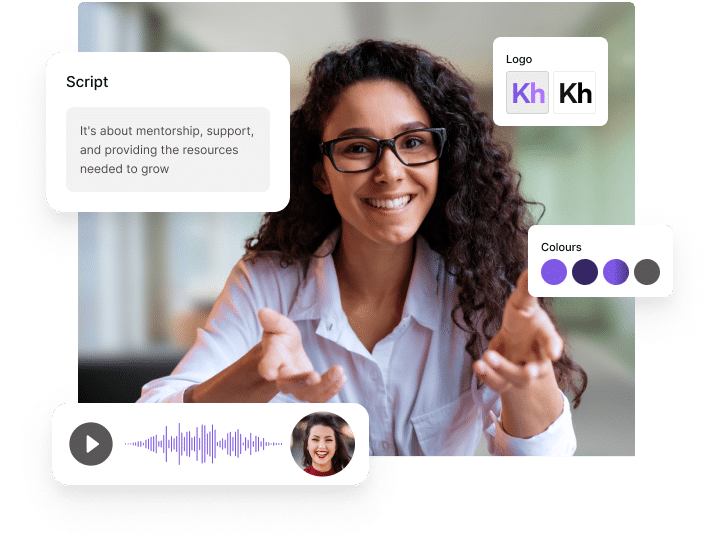
AI studios are platforms that use artificial intelligence to turn static content into dynamic video. Instead of building videos from scratch, you upload what you already have:
- PDFs
- PowerPoint presentations
- Docs or text scripts
The AI handles:
- Scene breakdown
- Visual layout
- Voice narration
- AI presenters (optional)
One of the most popular tools in this space is DeepBrain AI Studios, which focuses specifically on business-ready, professional videos.
Why this matters:
Video is dominating search, social feeds, and Google Discover. But most businesses already have content locked inside decks and documents. AI studios unlock that value fast.

Who This Is For (Use Cases That Actually Convert)
Before we dive into the how, let’s ground this in real use cases.
AI-generated videos from PDFs and PPTs work especially well for:
- Marketers repurposing lead magnets into video content
- Course creators turning slides into lessons
- Agencies delivering client explainers faster
- SaaS teams creating onboarding or feature walkthroughs
- Consultants presenting insights without recording themselves
If you’ve ever thought, “This deck should be a video,” you’re in the right place.
Step-by-Step: Turn a PDF or PPT into a Video Automatically
Step 1: Prepare Your Source File (Do This First)
AI works best when your content is clean.
Before uploading:
- One main idea per slide or page
- Clear headings
- Minimal clutter
- Bullet points instead of paragraphs
If you want deeper guidance here, link internally to a resource like:
“How to Optimize Slide Decks for AI Video Conversion” on NicheMarketingIdea.com.

Step 2: Upload Your PDF or PPT into the AI Studio
Inside the platform, you simply upload your file.
The AI will automatically:
- Detect slide structure
- Create scenes per slide
- Assign visual layouts
You’re not locked in. Everything remains editable.
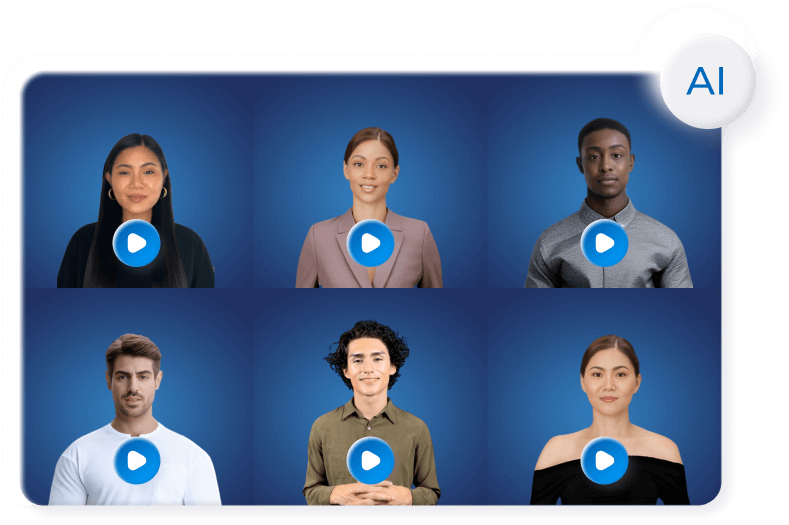
Step 3: Choose an AI Presenter or Voice Style
This is where videos start to feel human.
You can:
- Add an AI avatar that presents on screen
- Use voice-only narration
- Select tone, accent, and pacing
For Discover and short-form distribution, conversational voices tend to perform best.
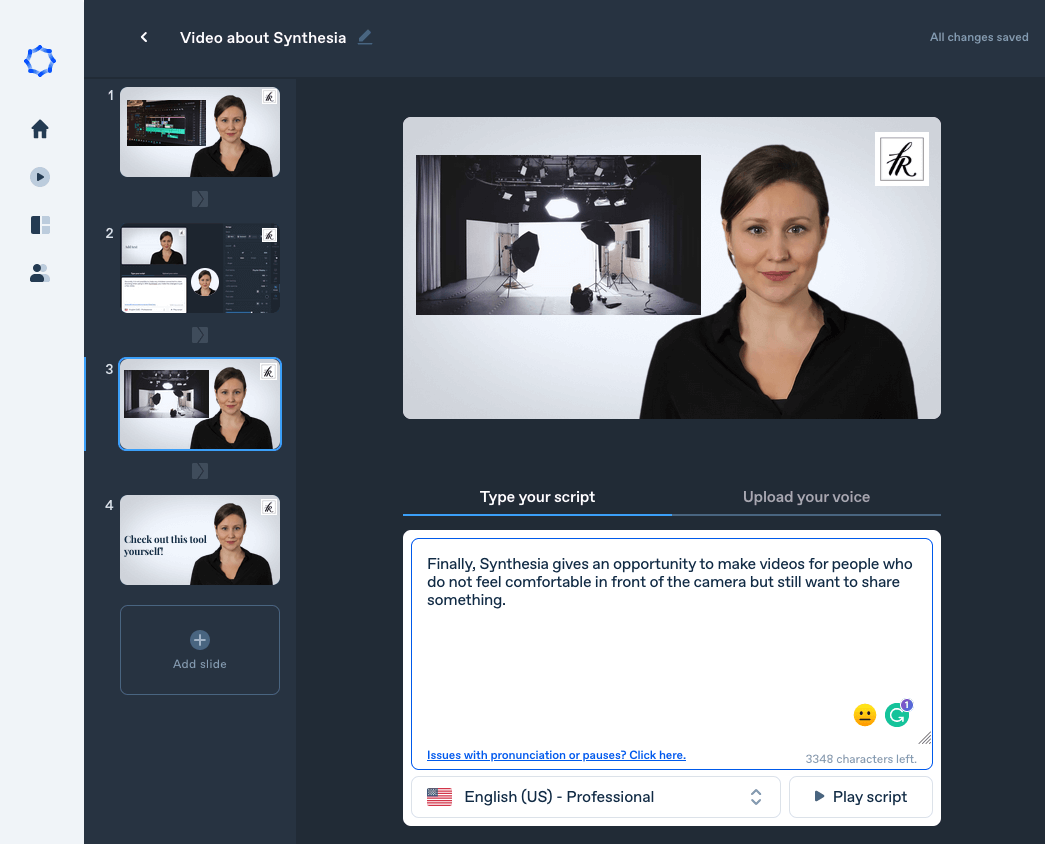
Step 4: Let the AI Generate the Script (or Improve Yours)
You have two options:
- Let the AI convert your slide text into natural speech
- Paste in a refined script for more control
Pro tip:
Ask the AI to rewrite slides into spoken language, not read-aloud bullet points. This boosts watch time and engagement.
Step 5: Customize Scenes and Branding
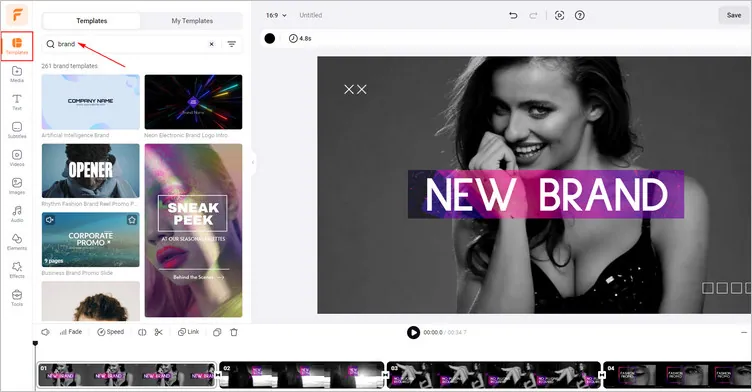
This is where most people stop too early. Don’t.
Take five extra minutes to:
- Apply brand colors
- Adjust fonts
- Swap visuals if needed
- Tighten transitions
These small tweaks are what separate “AI-generated” from “professionally produced.”
Step 6: Export and Publish Strategically
Once rendered, export your video in formats optimized for:
- YouTube
- Google Discover
- Landing pages
- Email campaigns
Internally, you might link to:
“Best Video Formats for SEO and Google Discover” on NicheMarketingIdea.com.
SEO + Google Discover Optimization Tips (Often Missed)
To align with first-page intent and AEO (Answer Engine Optimization):
- Answer one clear question per video
- Keep videos under 5 minutes for informational content
- Use descriptive filenames and titles
- Embed videos near the top of related articles
- Add a short text summary below each video
Google Discover favors fresh-looking, visually engaging content that delivers value fast. AI videos from decks check all those boxes.
Common Mistakes to Avoid
- Uploading cluttered slides and expecting magic
- Letting the AI read bullet points word-for-word
- Skipping branding
- Publishing without a distribution plan
AI saves time. It doesn’t replace judgment.
Is DeepBrain AI Studios Worth Using?
If your workflow involves PDFs, PPTs, or repeatable video creation, the answer is yes.
It’s especially useful if you:
- Want speed without sacrificing polish
- Need consistent presenters
- Prefer not to be on camera
- Care about scalable content production

You can explore the platform here:
👉 Try AI Studios by DeepBrain
https://www.deepbrain.io/aistudios?via=kevin-meyer
(Affiliate link. Use it only if it fits your workflow.)
Final Takeaway
AI studios aren’t about replacing creativity. They’re about removing friction.
If you already have PDFs and PowerPoints, you’re sitting on video content. AI simply unlocks it.
Start small. Convert one deck. Publish one video. Measure results.
That’s how evergreen systems are built.
