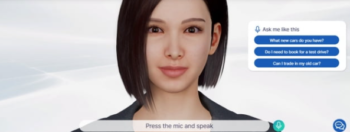
A digital twin is a digital representation of a real person, process, or system that can “stand in” for the original in specific scenarios. In content creation, a digital twin usually means an AI avatar that can deliver messages, explain topics, and produce repeatable on-brand video—without reshoots, studios, or constant scheduling.
Digital twins used to sound like science fiction. Now they’re a practical business tool—especially if you publish video, train teams, sell products, or need consistent messaging at scale. The real shift isn’t “AI can make video.” It’s this: AI can make your video workflow predictable. Less scrambling. Less re-recording. More repeatability.

In this post, I’m going to unpack what “digital twin” actually means in the context most creators and businesses care about: communication. Not industrial simulations. Not buzzwords. Just the ability to show up on camera consistently, quickly, and professionally.
Affiliate Disclosure: This article contains affiliate links. If you choose to buy through my link, I may earn a commission at no extra cost to you. I only recommend tools that fit the audience and the use-case.
What a “Digital Twin” Means in Content (Without the Hype)
Let’s de-mystify it. In the real world, a digital twin can be an engineering model of a factory or a city. But in modern marketing and education, a digital twin usually points to a simpler idea:
A digital twin is a repeatable, controllable version of “you” (or your brand voice) that can deliver content on demand.
That can look like an AI avatar presenting a script, explaining a product, teaching a concept, onboarding a customer, or turning written material into consistent video updates.
Done well, it solves a very human bottleneck: being available. Recording takes time, energy, the right mood, a quiet room, good lighting, and the ability to redo takes when something sounds off. A digital twin workflow reduces that whole mess into a repeatable production system.
Why DeepBrain AI Is in This Conversation
DeepBrain AI is known for AI-generated video tools and avatar-based production workflows. The reason it matters for the “digital twin” concept is simple: it’s focused on practical output.
For most people reading this, the goal isn’t building a perfect, sci-fi clone. The goal is to build a reliable system that helps you publish and communicate more often, with fewer production headaches.
That’s where AI Studios by DeepBrain fits: it’s designed to help you produce video using AI avatars, scripts, and templates—so you can turn ideas, blog posts, and training docs into video faster than traditional filming.
Quick link: Explore AI Studios by DeepBrain (affiliate)
Tip: If you’re comparing plans, use the internal links below first so you choose based on your actual workflow.
The Real Problem Digital Twins Solve: Consistency
Most content strategies don’t fail because the ideas are bad. They fail because production is chaotic.
You start strong. You publish. Then the calendar gets crowded. Then recording slips. Then editing piles up. Then you “come back to it later,” which is the content equivalent of a black hole.
A digital twin workflow helps because it turns video into something closer to writing:
Write the message → generate the video → publish → repeat.
That doesn’t replace human creativity. It protects it. Instead of spending your best energy fighting the logistics of production, you spend it on what actually matters: the message, the structure, the clarity, the offer, the audience.
Where This Matters Most
Digital twin-style video is most useful when the message is repeatable and needs to stay consistent across time and channels:
Product explainers: same core message, different versions for different audiences.
Training and onboarding: fewer live sessions, fewer “did you watch the video?” gaps.
Internal comms: updates that need to land clearly without scheduling a meeting.
Educational content: lessons built from scripts, refined over time, and easy to update.
Scaling short-form: consistent publishing without living in your camera roll.
What a Smart Digital Twin Workflow Looks Like
This is the difference between “cool tech demo” and “tool that actually earns its keep.” A sane workflow is simple, repeatable, and doesn’t depend on motivation.
Step 1: Build a Script-First Habit
Digital twins work best when the content is structured. That means you write first. Even a rough script beats improvisation because it keeps the video tight and skimmable.
Step 2: Create “Message Templates”
If you publish regularly, you’re already repeating patterns. Use that. Create template structures like:
Hook → problem → simple explanation → example → next step
When the structure is stable, your content becomes easier to scale without becoming bland.
Step 3: Produce Variations Without Re-recording
This is the quiet superpower. Once you can generate video from scripts, you can create variations for different audiences, platforms, and funnel stages—without rebuilding your whole week around recording.
Where Digital Twins Break Down (And How to Stay Honest)
This is important: digital twin tools are not magic. They’re production tools.
They tend to struggle most when:
You need raw human spontaneity: highly emotional storytelling, unpredictable interviews, live reactions.
You want “perfect realism” above all else: some audiences are more sensitive to uncanny vibes than others.
You don’t have a clear message: AI can generate delivery, but it can’t rescue a fuzzy idea.
The way you stay credible is simple: use a digital twin for what it’s best at—clarity, consistency, repeatability—and use human video where it matters most—emotion, spontaneity, and relationship-building.
Reality check: The “future” isn’t AI replacing humans. It’s AI replacing the parts of production that waste human time.
How AI Studios Fits (Practical Use-Cases You Can Actually Run)
If you’re evaluating AI Studios, focus on what it lets you produce reliably. Here are practical ways creators and small teams typically use avatar-based video tools:
1) Turn Blog Posts Into Video Without Rebuilding Everything
If you already write, you’re sitting on a pile of scripts. A digital twin workflow helps you turn written assets into video assets—without needing a studio day.
2) Create “Explainer Libraries” That Reduce Support Load
Instead of answering the same question 50 times, you build one strong explanation and publish it as a video. Customers get faster answers. You get your time back.
3) Make Consistent Short-Form With a Stable Brand Voice
Short-form content rewards consistency. Digital twin production reduces the friction of showing up repeatedly, especially when your schedule is messy.
4) Build Training That Doesn’t Depend on Live Availability
Training is one of the most underrated places for AI video. The content is structured, repeatable, and easier to update when policies or products change.
Try AI Studios (affiliate): Build a digital-twin style workflow for scripts, explainers, and repeatable content.
Internal Deep Dives (Recommended Next Reads)
If you’re actively comparing AI Studios options, these internal breakdowns will save you time and prevent “wrong plan, wrong expectations” problems:
Does AI Studios Actually Deliver on the Hype? (Honest Review)
Stop Overpaying for Video Production: How AI Studios Slashes Costs
AI Studios Free vs Pro: Which Plan Is Right for Your Business?
Is AI Studios Worth It? A Deep Dive into Pricing and Features
FAQ: DeepBrain AI and the Digital Twin Concept
Is a digital twin the same as an AI avatar?
Not always. “Digital twin” is broader—it can mean a representation of a system, process, or person. In content creation, though, it often points to an AI avatar that can deliver consistent messaging from scripts.
What’s the best first use-case for a digital twin workflow?
Start with content that’s structured and repeatable: product explainers, onboarding videos, training modules, or scripted short-form. These benefit most from consistency and easy updates.
Will digital twins replace human creators?
In most real workflows, they replace production friction, not creativity. Human content is still best for live emotion, spontaneity, and relationship-building. Digital twin content is best for clarity, consistency, and scale.
Is AI Studios a good fit for small businesses?
It can be, especially if you need video output but can’t justify a constant filming schedule. The fit is strongest when you already have written content or a clear script-first approach.
How do I keep AI-generated video from feeling generic?
Use your own scripts, include specific examples, and adopt a consistent structure. The “human” part is the thinking: your framing, your priorities, your real-world constraints, and the details your audience actually cares about.
Bottom Line: The Future Is Repeatable Communication
The most valuable “digital twin” isn’t a perfect imitation of a human. It’s a system that lets your best ideas show up consistently, without production chaos stealing your week.
If you’re trying to publish more video, teach more clearly, or scale communication without scaling stress, a digital twin workflow is worth exploring—and DeepBrain AI’s direction with AI Studios is part of that bigger shift.
Next step: If your workflow is script-first (or you want it to be), AI Studios is built for that style of production.
